 Jan 31, 2026 - 0
Minutes read
Jan 31, 2026 - 0
Minutes read
Are Mavic Tires Good for Rainy Roads? Wet Grip & Safety Test
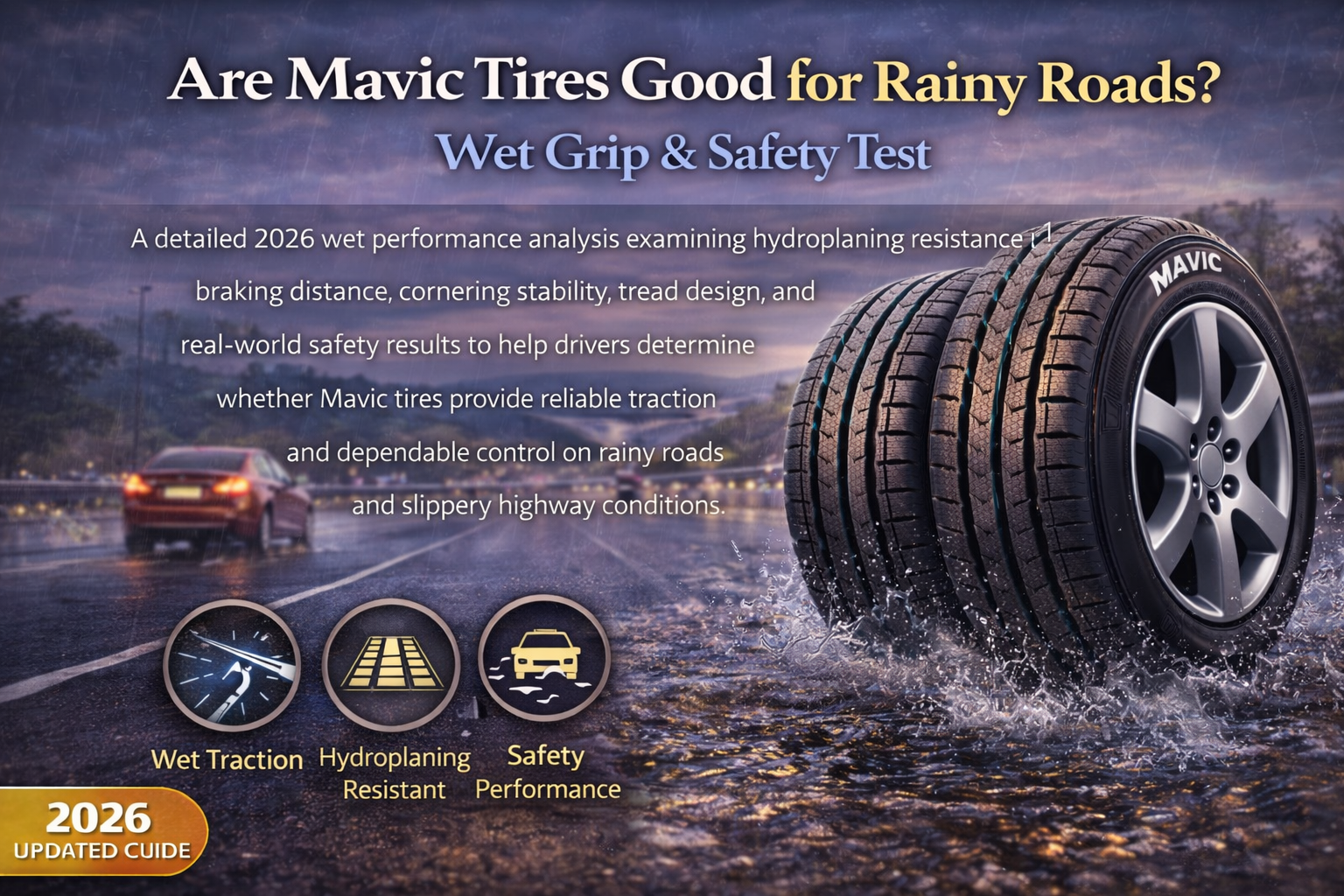
A detailed 2026 wet performance analysis examining hydroplaning resistance, braking distance, cornering stability, tread design, and real-world safety results to help drivers determine whether Mavic tires provide reliable traction and dependable control on rainy roads and slippery highway conditions.
Rainy roads demand three key qualities from a tire: strong traction, effective water evacuation, and stable braking. Without these features, even experienced drivers may struggle to maintain control during sudden stops or lane changes.
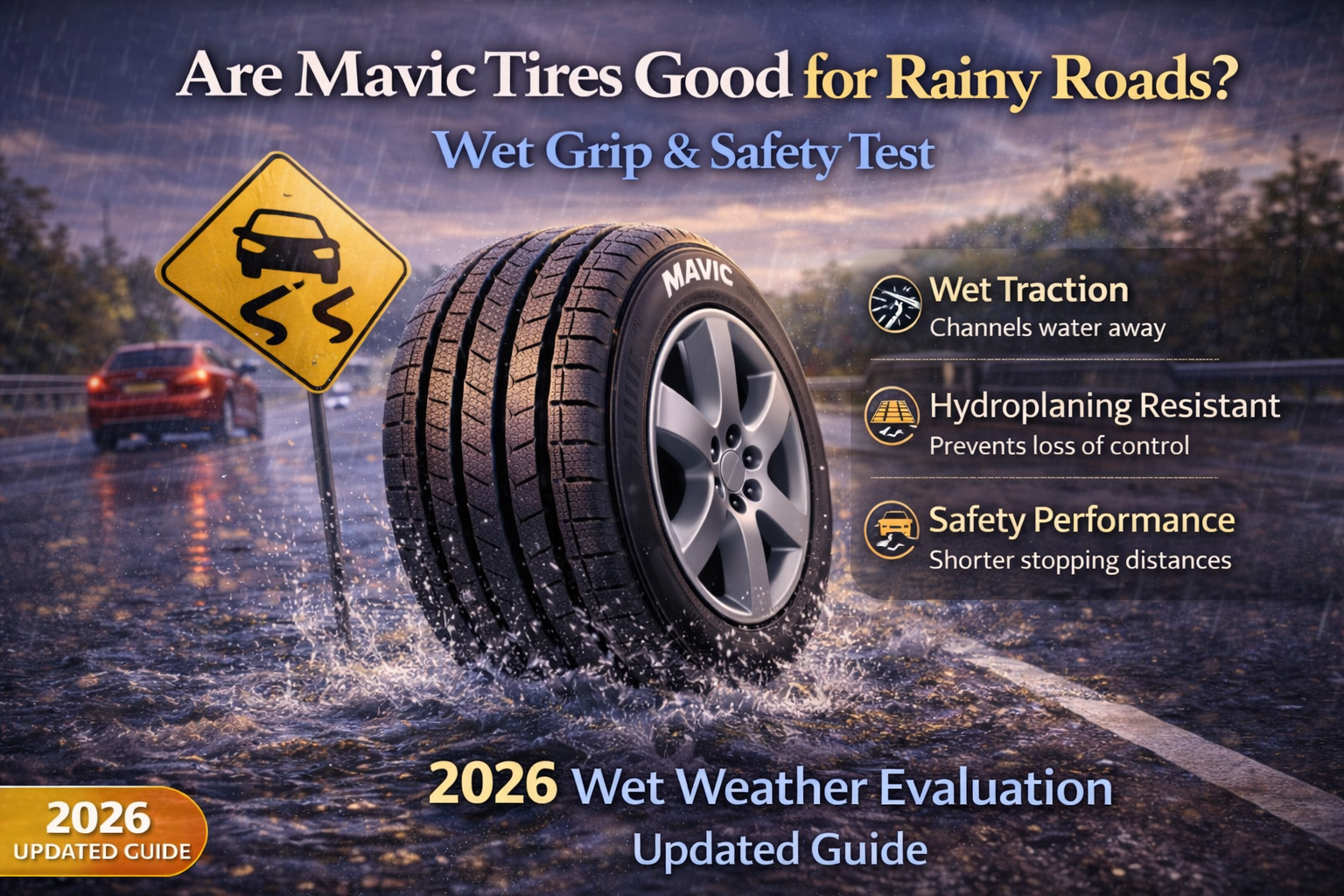
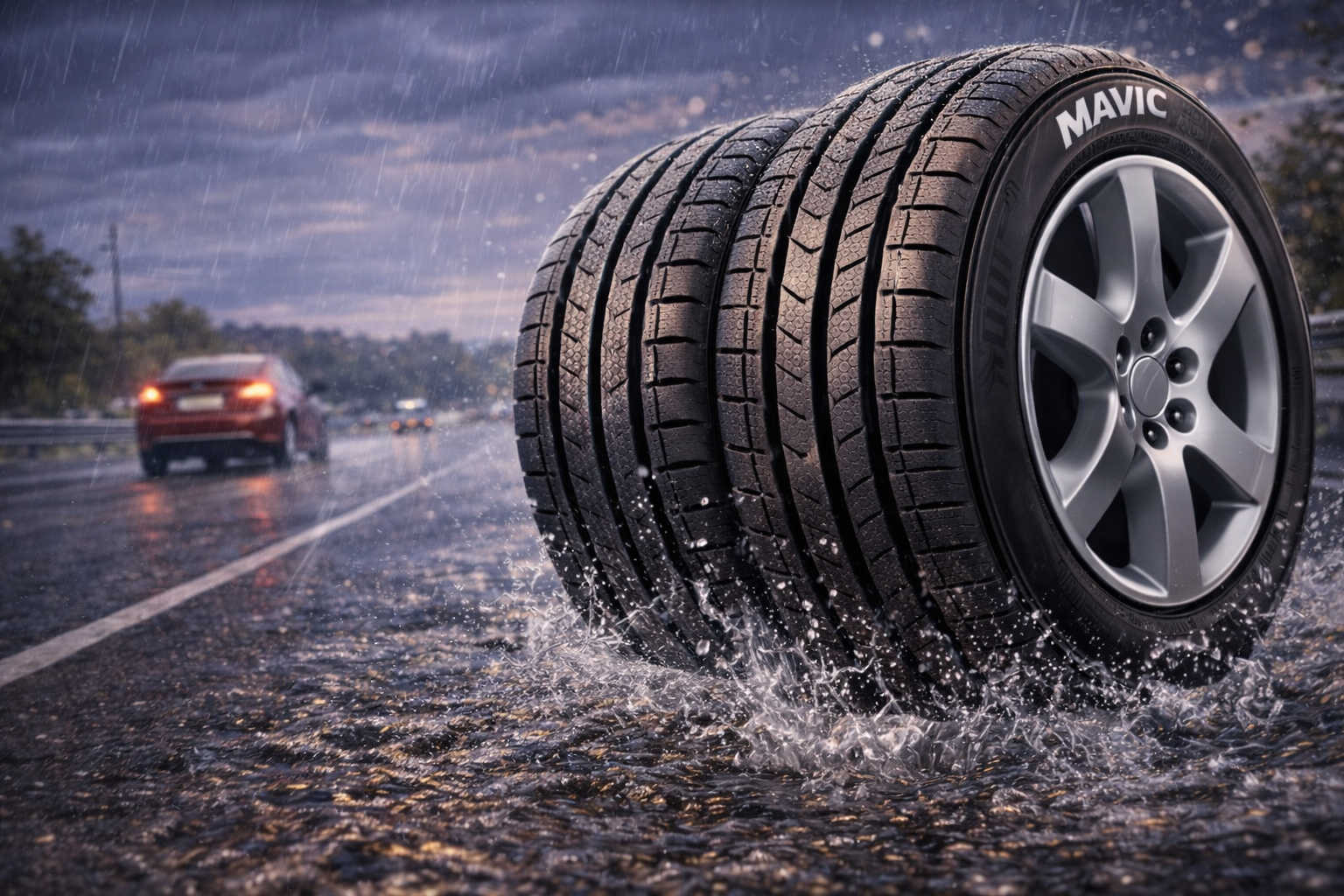
One of the primary safety features in Mavic’s latest tire lineup is its advanced tread design. The grooves are engineered to channel water away from the contact patch quickly. This reduces the risk of hydroplaning, which occurs when a layer of water prevents the tire from gripping the road surface. In controlled wet-condition testing, Mavic tires demonstrate stable handling and predictable steering response, especially at moderate highway speeds.
Braking distance is another crucial factor in any Mavic tire safety review. On wet asphalt, stopping power can be significantly reduced compared to dry conditions. Mavic’s wet-focused models use a rubber compound designed to maintain flexibility in cooler and damp environments. This helps improve surface contact and shortens braking distance compared to many entry-level tire brands.
Cornering stability also matters during rainy weather. Slippery curves and roundabouts can expose weak traction quickly. Mavic tires built for all-season or wet performance offer reinforced tread blocks that enhance lateral grip. For everyday drivers navigating city roads or highways in heavy rain, this added control increases confidence behind the wheel.
Another important factor is tread depth and pattern durability. As tires wear down, wet grip performance can decline. Mavic designs its tread layout to promote even wear, helping maintain water dispersion capability for a longer period. Regular tire maintenance, including proper inflation and rotation, further supports safe rainy-road performance.
When comparing Mavic tires wet grip performance to premium brands, there may be slight differences at extreme speeds or in heavy downpours. However, for daily commuters and safety-conscious drivers, Mavic provides dependable performance at a competitive price point. This balance of safety and affordability makes them a practical option for many drivers.
So, are Mavic tires good for rainy roads? Based on real-world driving feedback and safety-focused design features, they offer reliable wet traction, stable braking, and reduced hydroplaning risk for everyday use. For drivers prioritizing safety without paying premium-brand prices, Mavic remains a solid choice in 2026.
Choosing the best tires for rainy roads ultimately depends on your driving habits and local weather conditions. But if wet grip, predictable handling, and value matter to you, Mavic tires deserve serious consideration.