 Jan 27, 2026 - 0
Minutes read
Jan 27, 2026 - 0
Minutes read
Best Apps to Learn Languages in 2026: Top Tools for Faster Learning
Discover the best language learning apps that help beginners and advanced learners improve speaking, vocabulary, and grammar skills. This guide explores popular platforms, their features, and how mobile apps make language learning easier, flexible, and more effective for modern learners.
Best Apps to Learn Languages
Learning a new language has never been easier thanks to modern technology. Today, mobile apps allow people to study languages anytime and anywhere using smartphones or tablets. These language learning apps combine interactive lessons, real conversations, and smart learning tools to help users improve quickly.
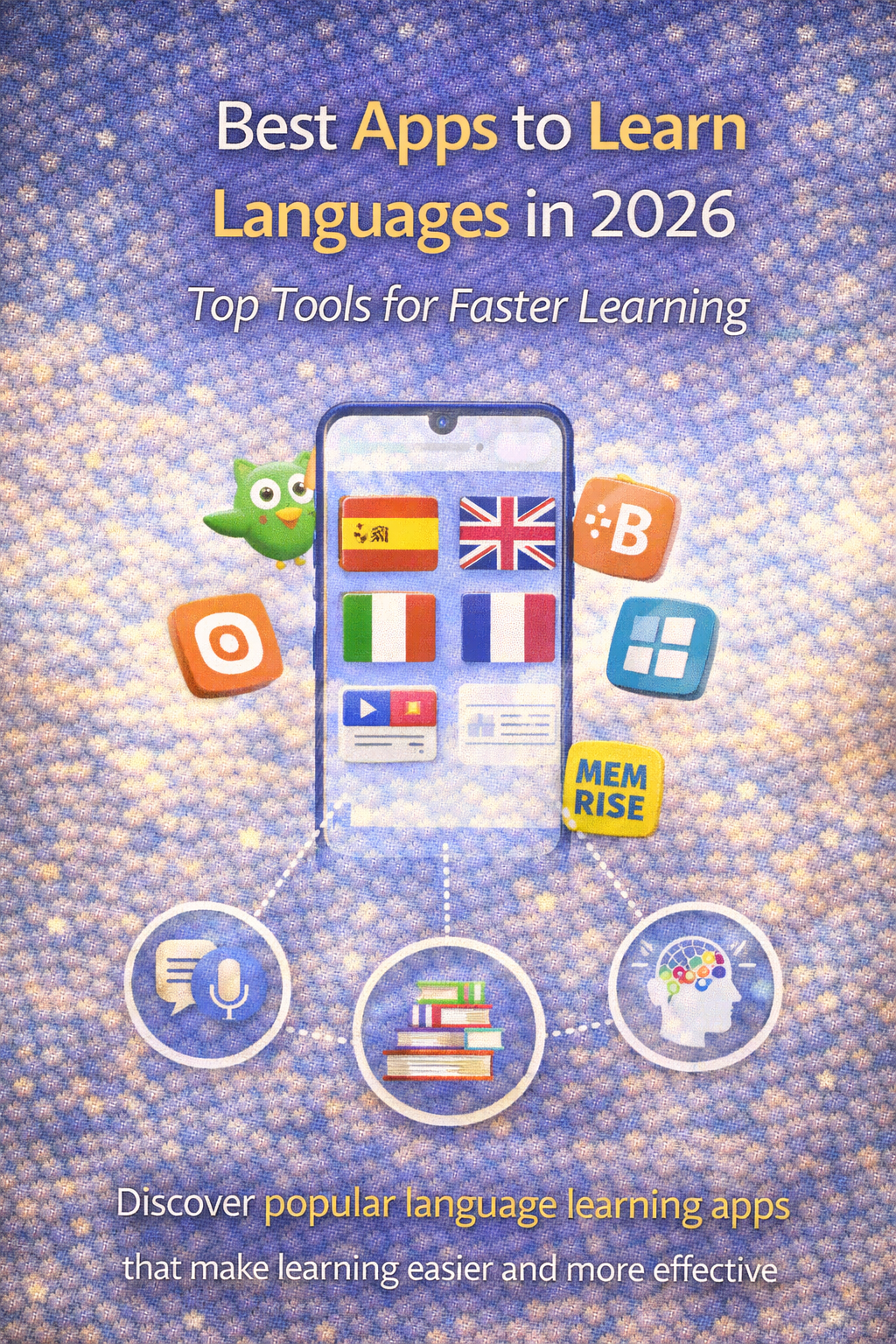
Whether your goal is travel, career growth, or personal development, choosing the right app can make a big difference in your learning experience.
1. Duolingo
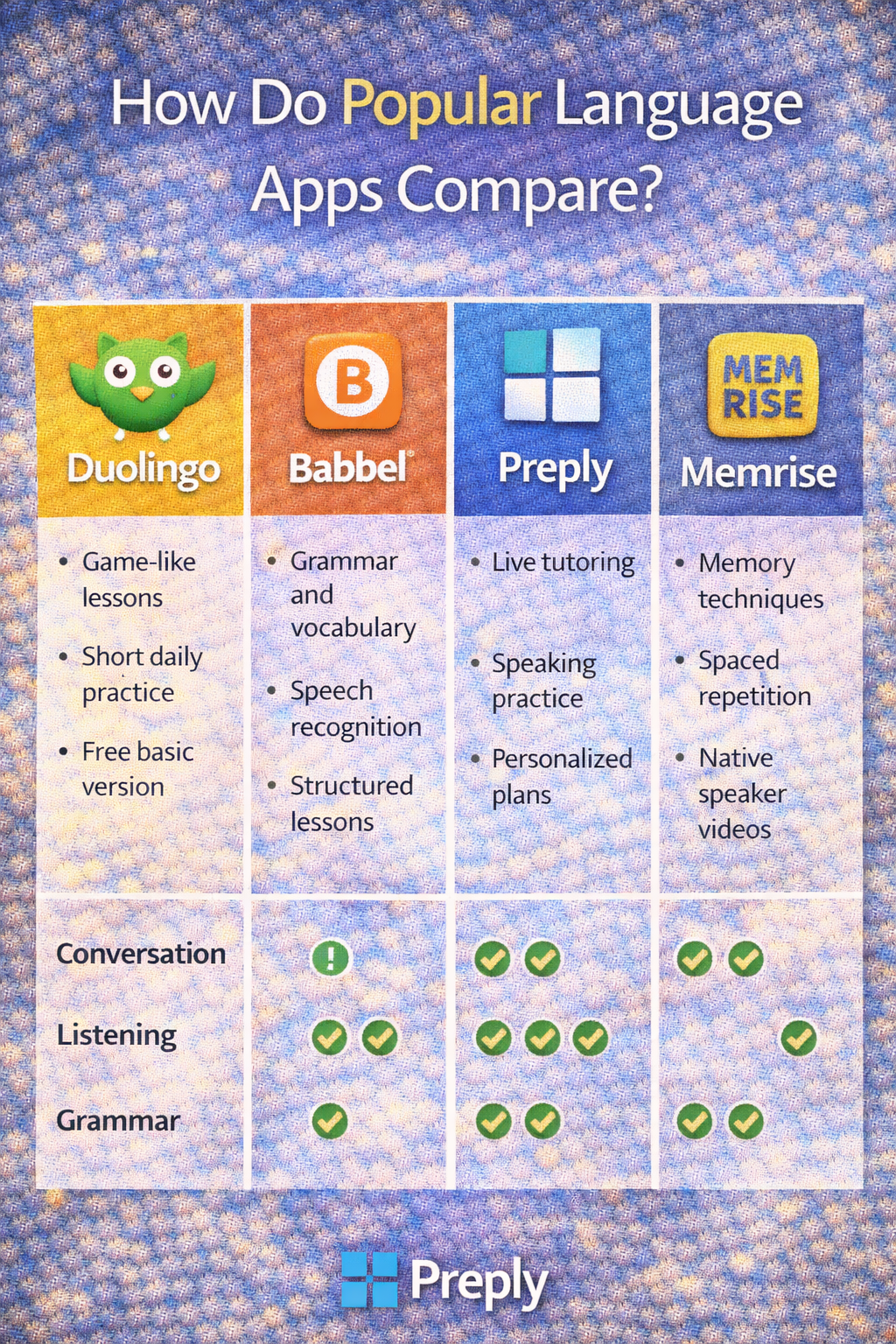
One of the most popular language learning apps in the world is Duolingo. It uses short interactive lessons and a gamified learning system that makes studying fun and engaging.
The app focuses on vocabulary, grammar, and listening exercises through small daily lessons. Because of its simple design and free access, it is especially popular among beginners.
Key features
Game-like learning experience
Short daily lessons
Free basic version
Multiple language options
However, while Duolingo is great for beginners, it may not provide enough conversation practice for advanced learners.
2. Babbel
Babbel is another highly respected language learning platform. Unlike some apps that rely mostly on games, Babbel focuses on structured lessons designed by language experts.
Lessons include grammar explanations, pronunciation practice, and real-life conversations. Many learners prefer Babbel because it feels closer to a traditional language course.
Key features
Structured language lessons
Speech recognition practice
Real-life conversation examples
Professional course design
3. Preply
Preply is slightly different from many language learning apps because it focuses on live lessons with real tutors. Instead of only practicing with automated exercises, students can speak directly with experienced teachers.
This approach helps learners improve speaking confidence much faster.
Key features
One-to-one video lessons
Personalized learning plans
Flexible scheduling
Tutors from around the world
Preply is especially useful for learners who want real conversation practice.
4. Memrise
Memrise uses memory techniques and short videos of native speakers to help learners remember vocabulary more effectively.
The platform combines spaced repetition learning with real-life pronunciation examples, making it easier to remember words and phrases.
Key features
Native speaker video clips
Vocabulary memorization tools
Spaced repetition learning
Fun interactive exercises
How to Choose the Best Language Learning App
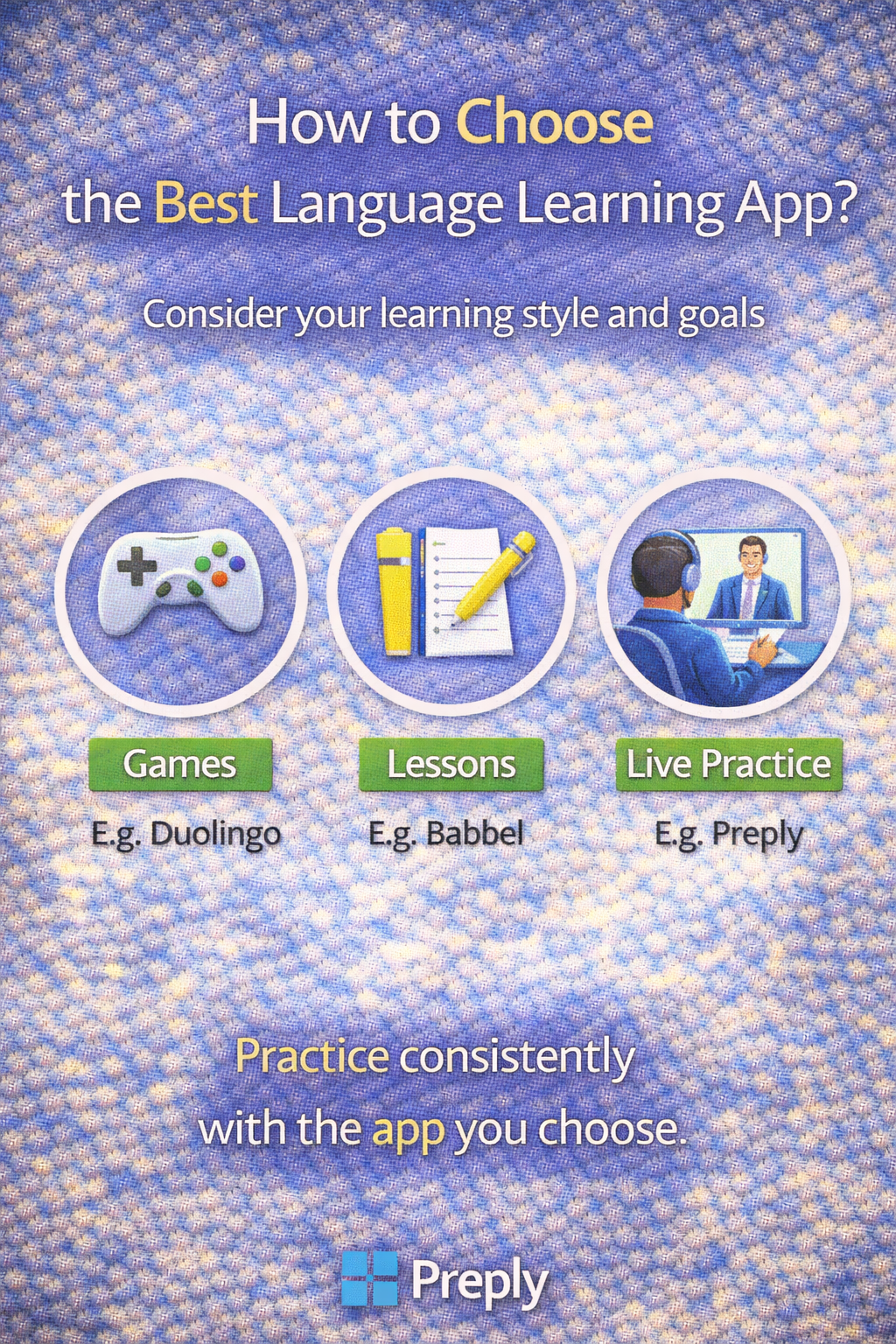
The best language learning apps depend on your learning goals.
If you enjoy game-based learning, Duolingo may be the best choice. If you prefer structured lessons with deeper explanations, Babbel can be a strong option. For learners who want real conversation practice, platforms like Preply provide access to professional tutors.
The most important factor is consistency. Even the best app will only work if you practice regularly.
Final Thoughts
Language learning apps have transformed the way people study new languages. With mobile technology, learners can now practice vocabulary, grammar, and conversation anytime.
By choosing the right platform and practicing regularly, anyone can improve their language skills and communicate confidently in a new language.