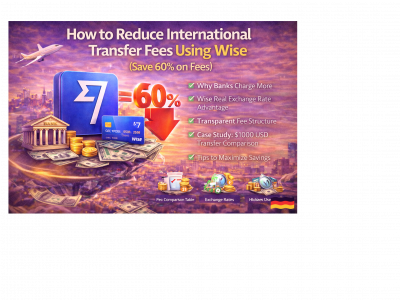
International money transfers can quietly drain your finances. Between bank wire fees, hidden exchange rate markups, and receiving charges, you may lose far more than expected. If your goal is to reduce transfer fees, understanding how pricing works is the first step.
Here’s how Wise low fees and transparent pricing can help you save significantly.
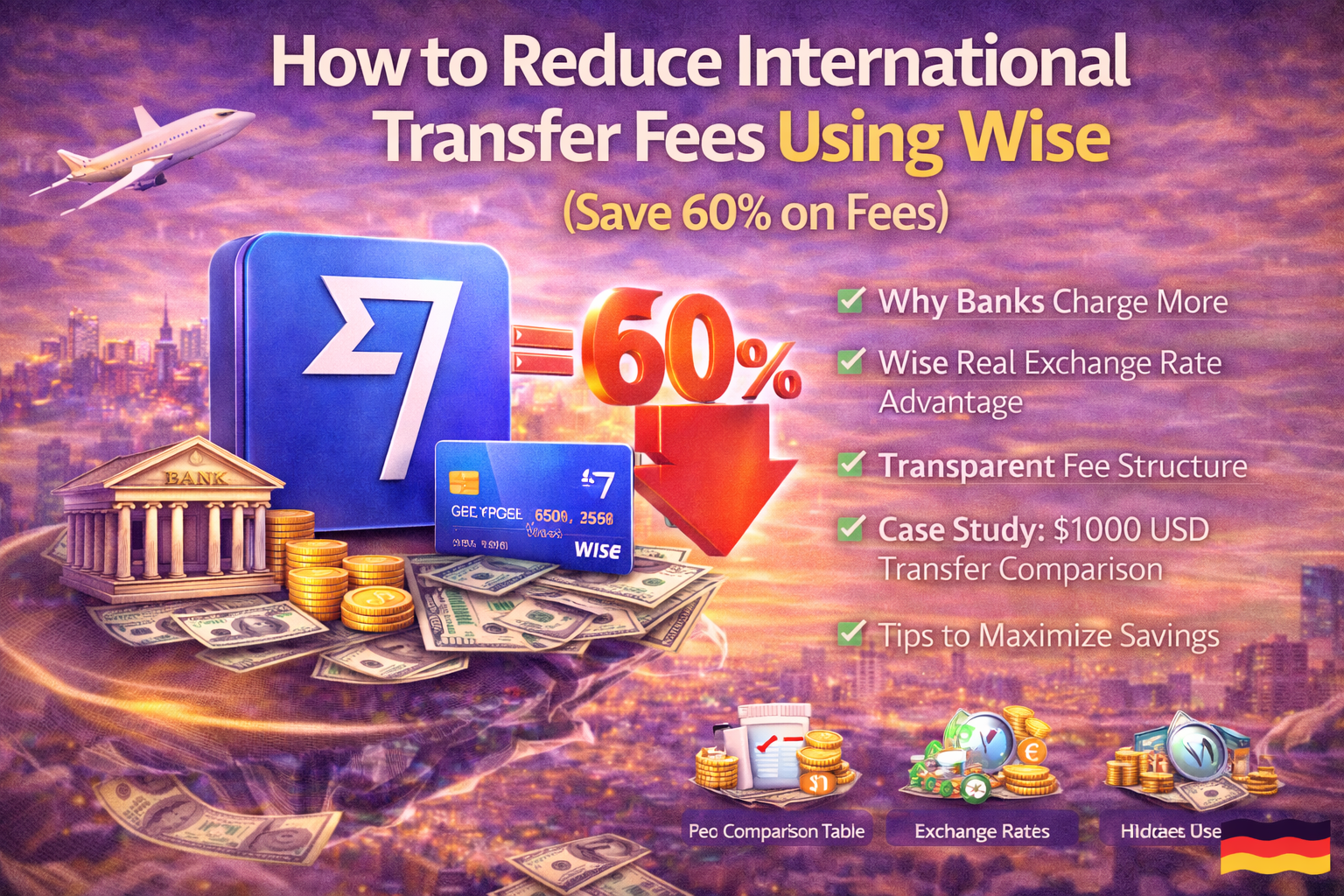
Why Banks Charge More
Traditional banks often advertise “secure global transfers,” but their pricing structure typically includes:
Fixed international wire fees
Intermediary bank charges
Receiving bank deductions
Exchange rate markups (often 2–5%)
The biggest hidden cost is the exchange rate margin. Banks rarely use the real market rate. Instead, they add a spread, meaning the recipient receives less money than expected.
For a $1,000 transfer, even a 3% markup means $30 lost instantly—before counting additional fees.
Wise Real Exchange Rate Advantage
The key difference with real exchange rate Wise transfers is transparency.
Wise uses the mid-market exchange rate—the same rate you see on Google or financial news platforms. Instead of hiding profit inside the rate, Wise charges a clearly displayed service fee.
This allows you to:
See the exact fee before confirming
Compare costs easily
Avoid hidden currency markups
The result? Lower total transfer cost in most international corridors.
Transparent Fee Structure
With Wise low fees, the pricing model is simple:
A small upfront transfer fee
Real exchange rate (no hidden spread)
Clear breakdown before payment
There are no surprise intermediary charges added later. This clarity helps individuals and businesses budget accurately.
Case Study: $1000 USD Transfer Comparison
Let’s compare a $1,000 USD transfer abroad.
Traditional Bank
$25–$45 wire fee
2–4% exchange rate markup ($20–$40 hidden loss)
Possible receiving fees
Total cost: $50–$85+
Wise
Transparent service fee (lower percentage)
Real exchange rate
No hidden markup
Total cost: Often significantly lower—sometimes saving up to 60% compared to banks.
Savings increase with larger transfer amounts.
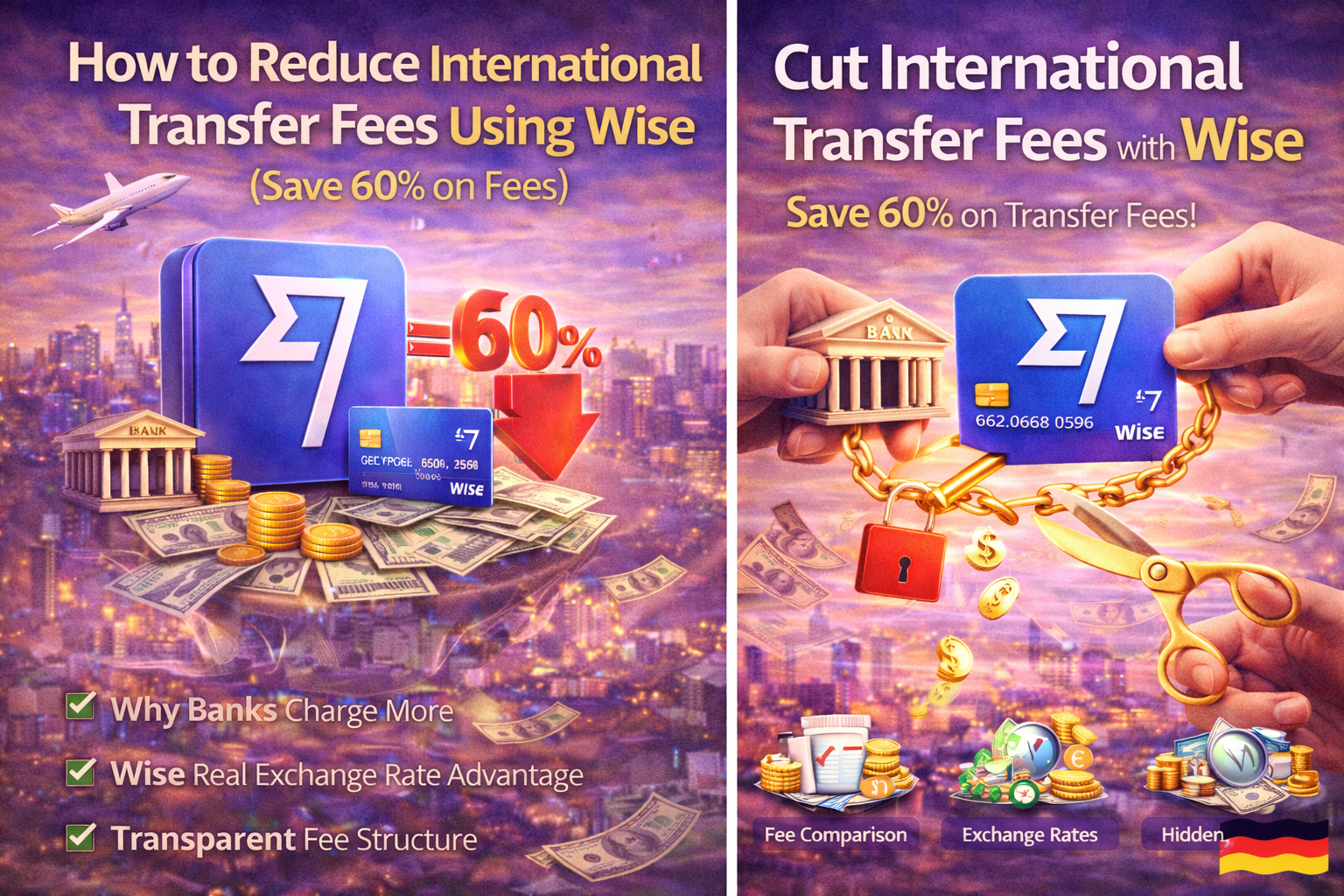
Tips to Maximize Savings
To further reduce transfer fees, consider these strategies:
Transfer larger amounts less frequently
Monitor exchange rates before converting
Compare fees before confirming
Avoid credit card funding when possible (higher fees)
Use local bank transfers instead of wire options
Planning your transfer strategically can protect even more of your money.
Final Thoughts
If you regularly send money internationally for business, family support, or freelance income, optimizing your transfer method matters. By choosing Wise low fees and leveraging the real exchange rate Wise model, you can significantly reduce unnecessary losses.
In 2026, saving money isn’t just about earning more—it’s about keeping more of what you send.