How to Use TradingView Ideas to Improve Your Trading
Best Strategies to Use Community Insights for Consistent Profits
Introduction
In the modern trading world, gaining an edge requires more than just basic knowledge of charts and indicators. Platforms like TradingView have transformed how traders analyze markets by introducing community-driven insights known as Trading Ideas. These ideas are shared by experienced traders worldwide and can significantly enhance your trading strategy when used correctly.
This guide will explain how to effectively use TradingView Ideas to improve your trading performance, manage risk, and make more informed decisions.
What Are TradingView Ideas?
TradingView Ideas are publicly shared trade setups, predictions, and analyses posted by traders. These include:
- Technical analysis (support/resistance, patterns)
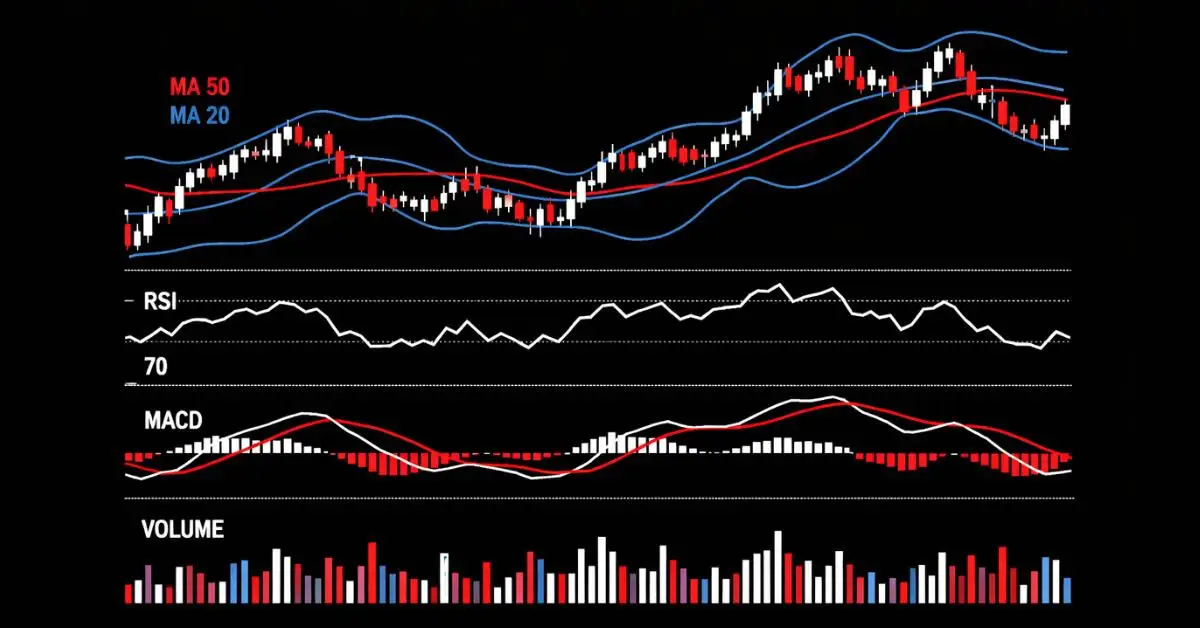
- Indicator-based strategies (RSI, MACD, moving averages)
- Market forecasts (bullish/bearish outlooks)
- Educational breakdowns of trades
Each idea typically contains a chart, explanation, and trade rationale—making it a valuable learning resource for both beginners and advanced traders.
Why TradingView Ideas Matter
Using TradingView Ideas can provide several advantages:
- Real-time market insights: Stay updated with current market sentiment
- Learning from experts: Observe how experienced traders think
- Strategy inspiration: Discover new trading techniques
- Multiple perspectives: Avoid bias by analyzing different viewpoints
👉 Explore real-time ideas directly here: https://www.tradingview.com/ideas/
How to Use TradingView Ideas Effectively
1. Filter High-Quality Ideas
Not all ideas are equally valuable. Focus on:
- Traders with strong track records
- Detailed explanations with clear entry/exit points
- Charts with proper indicators and structure
Avoid blindly following ideas—always verify them with your own analysis.
2. Combine Ideas with Your Strategy
TradingView Ideas should support, not replace, your strategy.
For example:
- If you trade breakouts, look for ideas showing consolidation patterns
- If you prefer scalping, follow short-term timeframe ideas
This alignment ensures consistency in your trading approach.
3. Analyze the Logic Behind Each Idea
Instead of copying trades, understand:
- Why the trade is taken
- Which indicators are used
- What risk management is applied
This helps you build your own trading skills over time.
4. Track Market Sentiment
When multiple traders share similar ideas (e.g., bullish on Bitcoin), it often indicates strong market sentiment.
However:
- Too much agreement can signal overconfidence
- Contrarian thinking may sometimes be more profitable
5. Engage with the Community
TradingView allows interaction through comments and discussions.
You can:
- Ask questions
- Share feedback
- Learn alternative viewpoints

This collaborative environment accelerates your learning curve.