Public WiFi is convenient, but it is rarely secure. Whether you are checking emails at an airport, booking a ride from a hotel lobby, or working from a café, open networks expose your data to potential threats. This is why many travelers search for a reliable VPN for public WiFi before connecting.
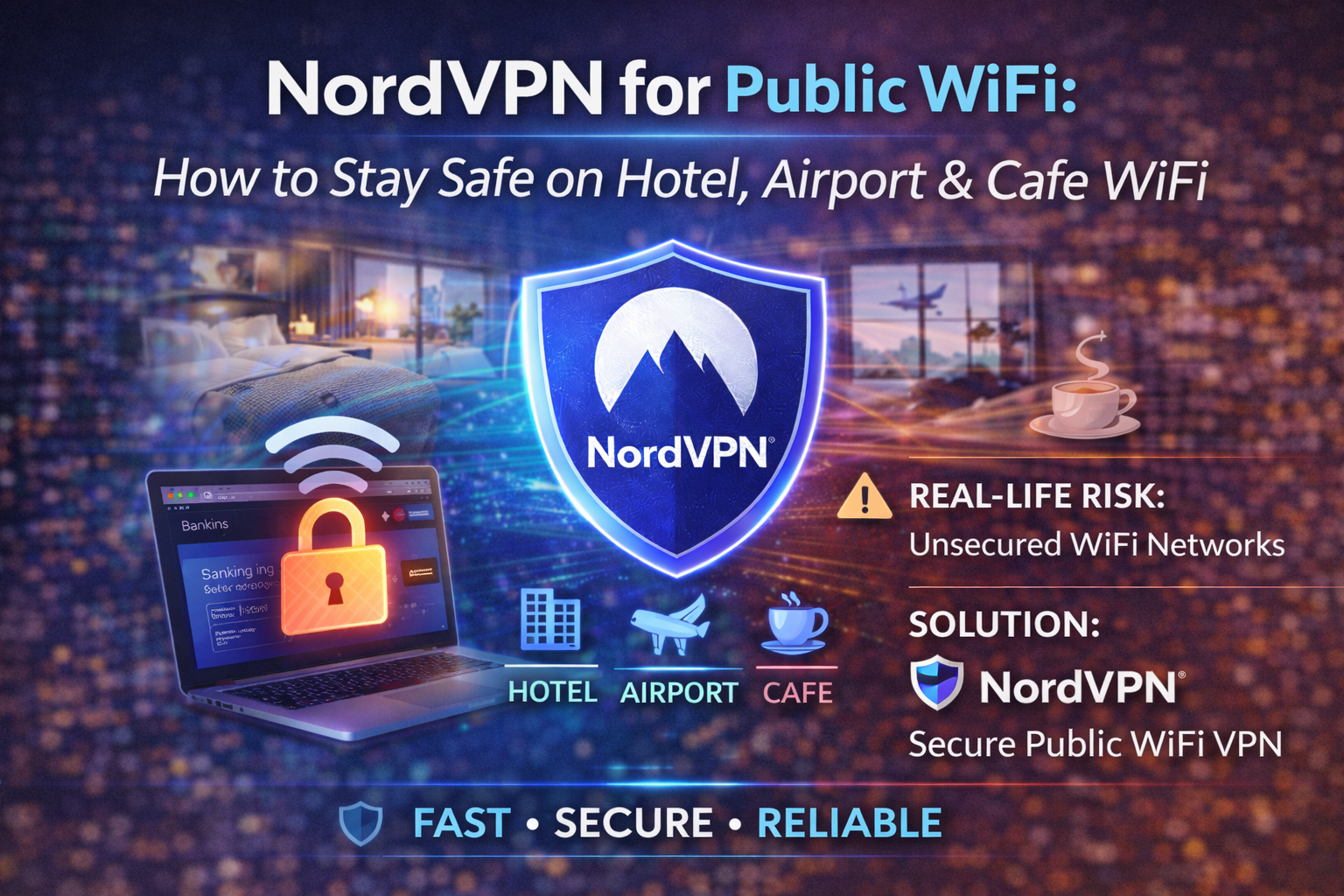
Understanding the risks and solutions can help you protect sensitive information wherever you go.
The Real Risks of Public WiFi
Most public networks are either unsecured or poorly protected. This makes them attractive targets for cybercriminals. Common threats include:
Data interception through unsecured connections
Fake WiFi hotspots designed to steal login credentials
Man-in-the-middle attacks capturing browsing activity
Password theft on unsecured websites
When you connect without protection, hackers can potentially monitor your activity, especially if encryption is weak or absent.
Why You Need a Secure Public WiFi VPN
A secure public WiFi VPN encrypts your internet traffic before it leaves your device. This encryption makes intercepted data unreadable to unauthorized users.
NordVPN uses advanced encryption protocols and secure tunneling technology to protect browsing sessions. Even if someone attempts to intercept your connection on hotel or airport WiFi, the encrypted data remains protected.
This is particularly important when accessing banking apps, email accounts, or company dashboards while traveling.
NordVPN for Travel
For frequent travelers, security and convenience must go hand in hand. NordVPN for travel provides:
Automatic kill switch protection
DNS leak prevention
Strong encryption standards
Fast global servers in multiple countries
This means you can connect quickly while keeping your IP address hidden and your browsing activity private.
Many experts consider it among the best VPN for travelers because of its global server network and consistent performance.
Protect Data on WiFi Anywhere
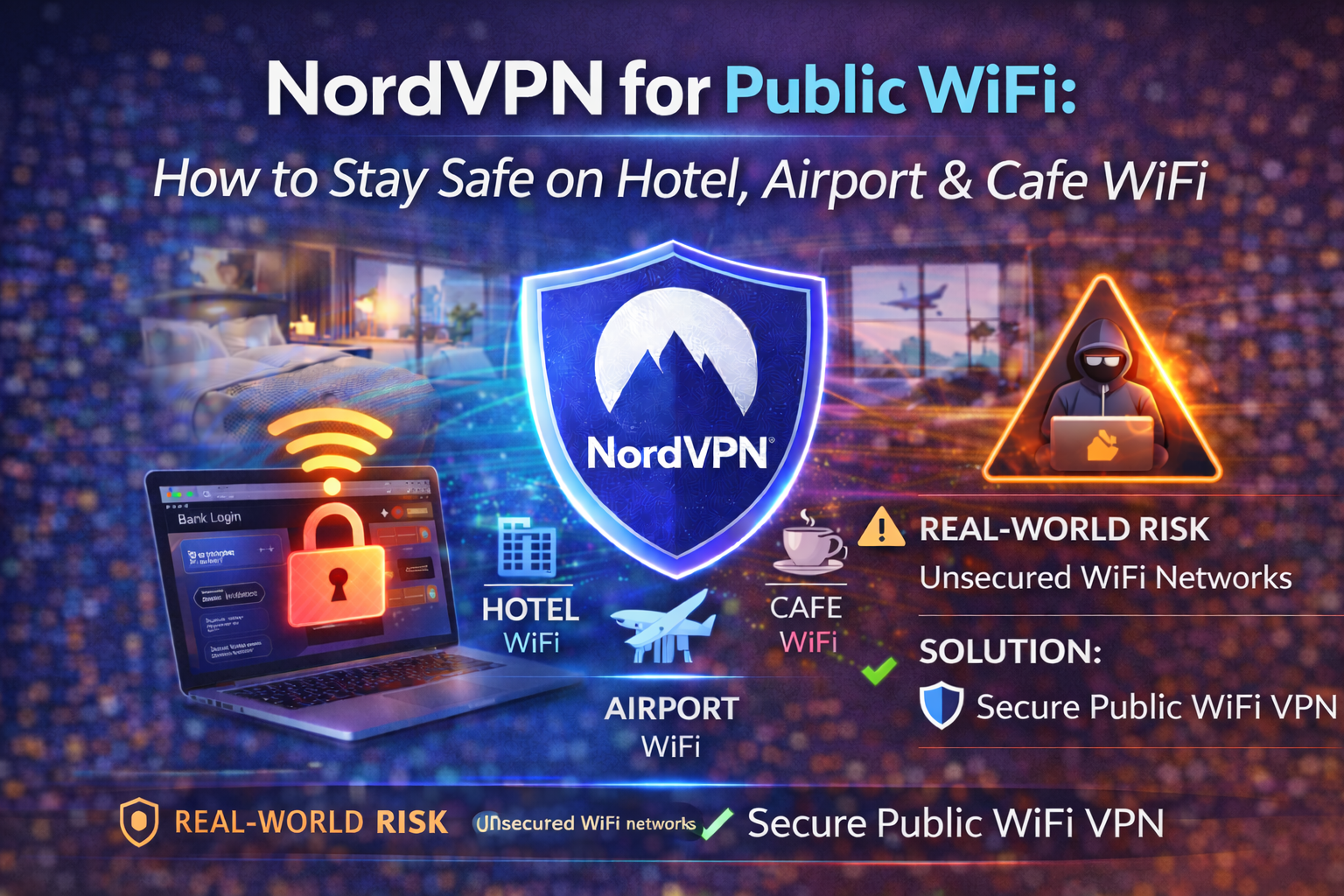
Using a VPN does more than just hide your IP address. It creates a secure tunnel between your device and the VPN server. This prevents local network threats from accessing your data.
If you frequently work remotely, shop online, or access confidential documents on public networks, a VPN significantly reduces the risk of exposure.
To protect data on WiFi, it is also important to:
Avoid automatic WiFi connections
Use HTTPS websites
Enable two-factor authentication
Keep your device software updated
A VPN works best as part of a broader digital safety strategy.
Final Thoughts
Public WiFi networks are convenient but vulnerable. From airports to coffee shops, unsecured connections expose personal and financial information to risk.
Using NordVPN adds a powerful layer of encryption that keeps your data private, even on open networks. For anyone who travels frequently or works remotely, investing in a trusted VPN for public WiFi is one of the smartest cybersecurity decisions you can make in 2026.